Compare Local Contractors for Roof Exhaust Installation Services
Compare local contractors for roof exhaust installation to define scope, verify experience, and set clear expectations for a successful project.
Roof exhaust installation involves the setup of ventilation systems designed to remove stale air, excess heat, or humidity from a building’s interior through the roof. This work typically includes selecting appropriate exhaust fans or vents, preparing the roofing surface, creating openings in the roof structure, and ensuring proper sealing to prevent leaks. Proper installation is essential for maintaining indoor air quality and controlling temperature and moisture levels, especially in commercial or industrial buildings where ventilation needs are more complex.
Clearly defining the scope of a roof exhaust installation project is important for setting realistic expectations and ensuring all necessary tasks are covered. A comprehensive scope might specify the type and number of exhaust units, the location of vents or fans, any structural modifications needed, and the integration with existing systems. Having a detailed scope helps property owners communicate their needs accurately to service providers, reduces misunderstandings, and provides a basis for comparing proposals from different contractors.
When evaluating local contractors for roof exhaust installation, property owners should consider experience with similar projects, the range of services offered, and the clarity of the work scope provided. Comparing contractors involves reviewing their credentials, understanding their approach to defining project details, and verifying their familiarity with local building codes and roofing conditions. Gathering multiple references or examples of previous work can also help in assessing a contractor’s ability to deliver quality results. Making informed comparisons ensures that the chosen service provider can meet the specific ventilation needs of the property while aligning with project expectations.
Compare local contractors by outlining your project priorities, verifying experience, and setting clear expectations in writing.
- Compare Contractor Experience - Review the background and expertise of local contractors to ensure they have relevant experience with roof exhaust systems.
- Define Project Scope Clearly - Establish detailed work descriptions and expectations to prevent misunderstandings during installation.
- Verify Credentials and References - Check references and previous work to assess the reliability and quality of local service providers.
- Document Agreements in Writing - Ensure all project details, responsibilities, and expectations are outlined in a formal contract.
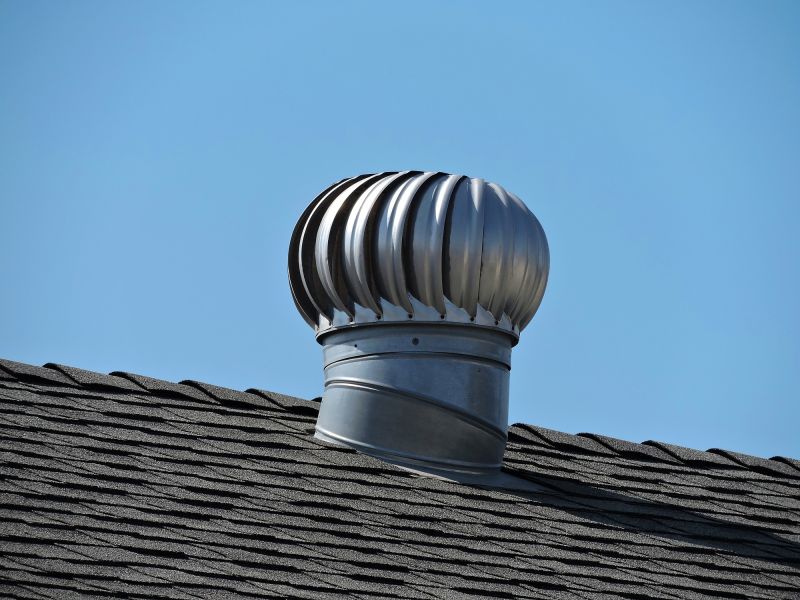
Clearly describe your roof exhaust project to compare local contractors, verify experience, and set expectations effectively.
- Verify the contractor’s experience with roof exhaust installation projects similar in scope and complexity. - Ensure the service providers clearly define the scope of work and installation process in writing.
- Compare the warranties or guarantees offered by different local contractors for their roof exhaust installation services. - Confirm that the contractors follow proper safety protocols and building codes during installation.
- Check references or reviews to assess the quality and reliability of the local contractors' previous roof exhaust work. - Make sure the scope of work, materials, and expectations are documented in a detailed written agreement.
- Assess the communication skills of the service providers to ensure clear explanations of the installation process and scope. - Look for contractors who can provide a comprehensive written plan outlining the project details and responsibilities.
- Ensure the contractors have experience working with the specific type of roof and exhaust system in question. - Confirm that the scope of work includes proper integration with existing roofing materials and ventilation requirements.
- Compare the level of professionalism and responsiveness of local contractors when discussing project details and expectations. - Prioritize service providers who provide thorough written documentation of the scope, procedures, and project expectations.
Compare local contractors' experience and clarify project scope to ensure clear expectations for roof exhaust installation.
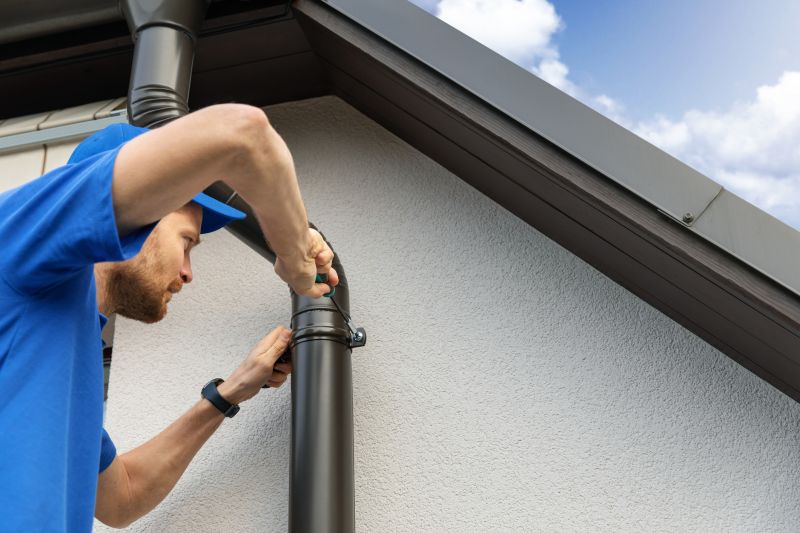
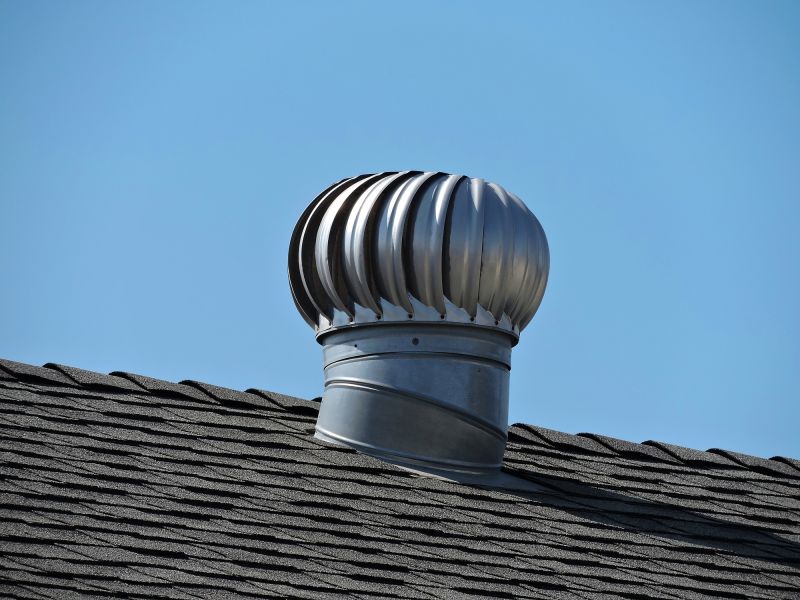
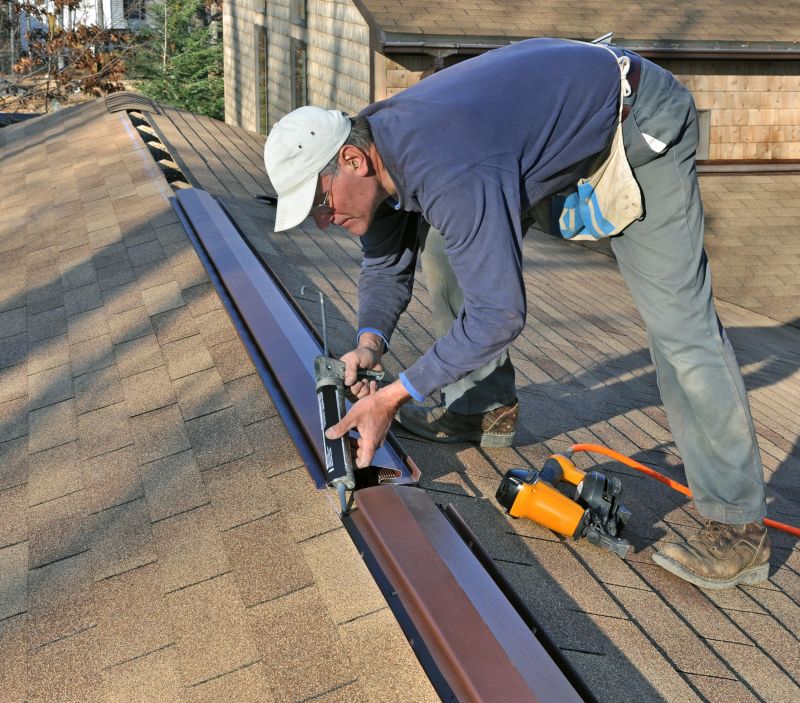

Compare local contractors' experience and scope of work carefully to ensure consistency across roof exhaust installation projects.
- Define Scope of Work - Clearly outline the specific tasks involved in the roof exhaust installation to ensure mutual understanding.
- Verify Experience and Expertise - Confirm that local contractors have relevant experience with roof exhaust systems and similar installation projects.
- Assess Material and Equipment Requirements - Identify the necessary materials and tools needed for the installation to facilitate proper planning.
- Establish Communication and Expectations - Document project details, responsibilities, and desired outcomes to set clear expectations in writing.
- Compare Qualifications and References - Review credentials, past work, and references of local service providers to evaluate their suitability for the project.
When comparing contractors for roof exhaust installation, it’s important to assess their experience with similar projects. Homeowners should inquire about the types of exhaust systems they have installed in the past and whether they have worked on roofs with comparable structures or materials. A contractor’s familiarity with specific roofing styles and ventilation requirements can influence the quality and longevity of the installation. Understanding their background in similar work can help ensure that the chosen service provider has the practical knowledge needed for a successful project.
A clear, written scope of work is essential when evaluating contractors. This document should outline the specific tasks involved in the roof exhaust installation, including the materials to be used, the extent of the work, and any preparations or follow-up steps. Having a detailed scope helps prevent misunderstandings and sets clear expectations for both parties. Homeowners are encouraged to review the scope carefully and ask for clarifications or adjustments before proceeding, ensuring that everyone is aligned on what the project entails.
Verification of a contractor’s basic qualifications involves checking their experience, references, and reputation within the local community. Homeowners should seek information about completed projects similar in scope and complexity, and ask for references or testimonials from previous clients. Confirming a contractor’s track record with comparable installations helps provide confidence in their ability to deliver quality results. Additionally, verifying that the service provider has the necessary insurance coverage and adheres to local building codes can contribute to a smoother project process.
Evaluating options without focusing on prices involves examining the quality of the proposed work, the clarity of communication, and the professionalism displayed during interactions. Homeowners should compare the details provided in written proposals, including scope, timeline, and materials, to determine which contractor demonstrates a thorough understanding of the project needs. Considering factors such as experience, scope clarity, and reputation allows for an informed decision based on the contractor’s ability to meet project requirements and provide reliable service.
Ask contractors to provide written scope details to ensure clear understanding and consistent expectations for the project.
- Experience with Roof Exhaust Installation - What relevant projects or types of buildings have the contractors completed?
- Scope of Work Clarification - How do contractors define and document the specific tasks included in the exhaust installation?
- Comparison of Services Offered - What installation methods and materials do different local contractors recommend for your roof?
- Warranty and Service Guarantees - What coverage do contractors provide for workmanship and materials after installation?
- Communication and Project Expectations - How do contractors ensure clear understanding of the scope and set expectations in writing?
What should be included in a scope of work for roof exhaust installation? A detailed scope of work should specify the type of exhaust system, the areas to be vented, materials to be used, and any necessary permits or inspections to ensure clarity between the homeowner and contractor.
How can I verify a contractor’s experience with roof exhaust systems? Reviewing previous projects, asking for references, and checking how long the contractor has been performing roof exhaust installations can help assess their experience and expertise.
What questions should I ask when comparing local contractors for roof exhaust installation? Inquire about their process for assessing your roof, the materials they recommend, their installation methods, and how they handle potential challenges or code compliance.
Why is it important to have a written agreement with a contractor? A written agreement helps define the scope, expectations, responsibilities, and any warranties, reducing misunderstandings and providing a clear record of the work to be performed.
How can I ensure that a contractor is knowledgeable about roof exhaust installation? Ask about their experience with similar projects, request details of their approach, and verify that they stay informed about current best practices and local building codes.
What should I consider when defining the scope of a roof exhaust installation project? Consider the type of exhaust needed, the location on the roof, venting requirements, and any integration with existing systems to ensure the project meets your needs and local regulations.
This page has highlighted the importance of understanding the scope of roof exhaust installation projects, verifying the experience of local contractors, and setting clear expectations in writing. By exploring these key points, visitors can better prepare to compare service providers and make informed decisions that align with their needs. Using the quote form allows for efficient comparison of options, helping to connect with trusted local contractors capable of handling the job.
Taking the time to define project details and review each contractor’s experience can streamline the process of finding suitable service providers. The quote form offers a straightforward way to gather information and compare local contractors, making it easier to identify options that meet specific requirements. Engaging with qualified local professionals through this process supports a well-informed approach to roof exhaust installation.